AI in IFRS Accounting: Functions, Benefits, and Limitations
 By IIC Lakshya
 16 Jan 2026
 ACCA
ACCA
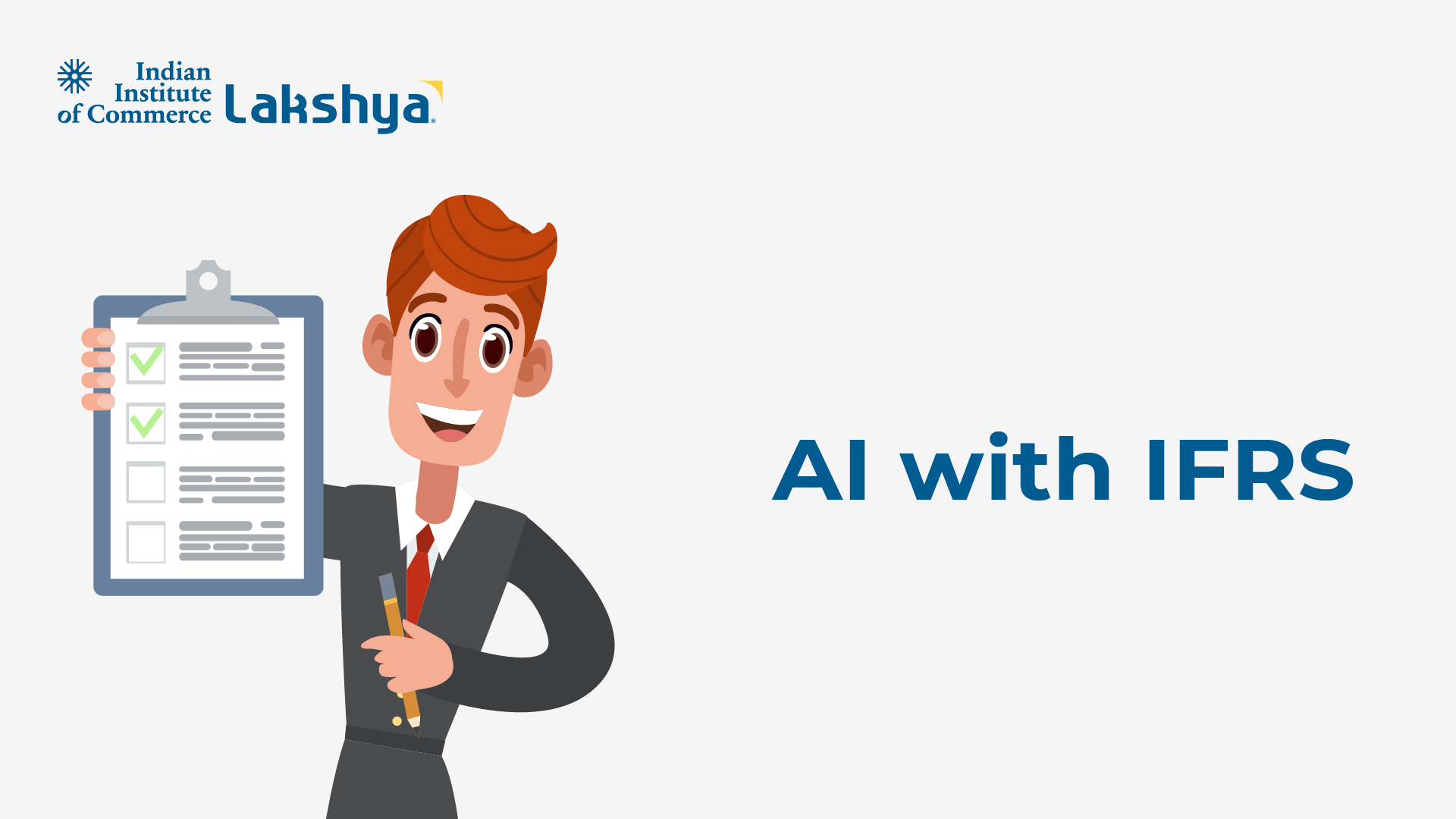
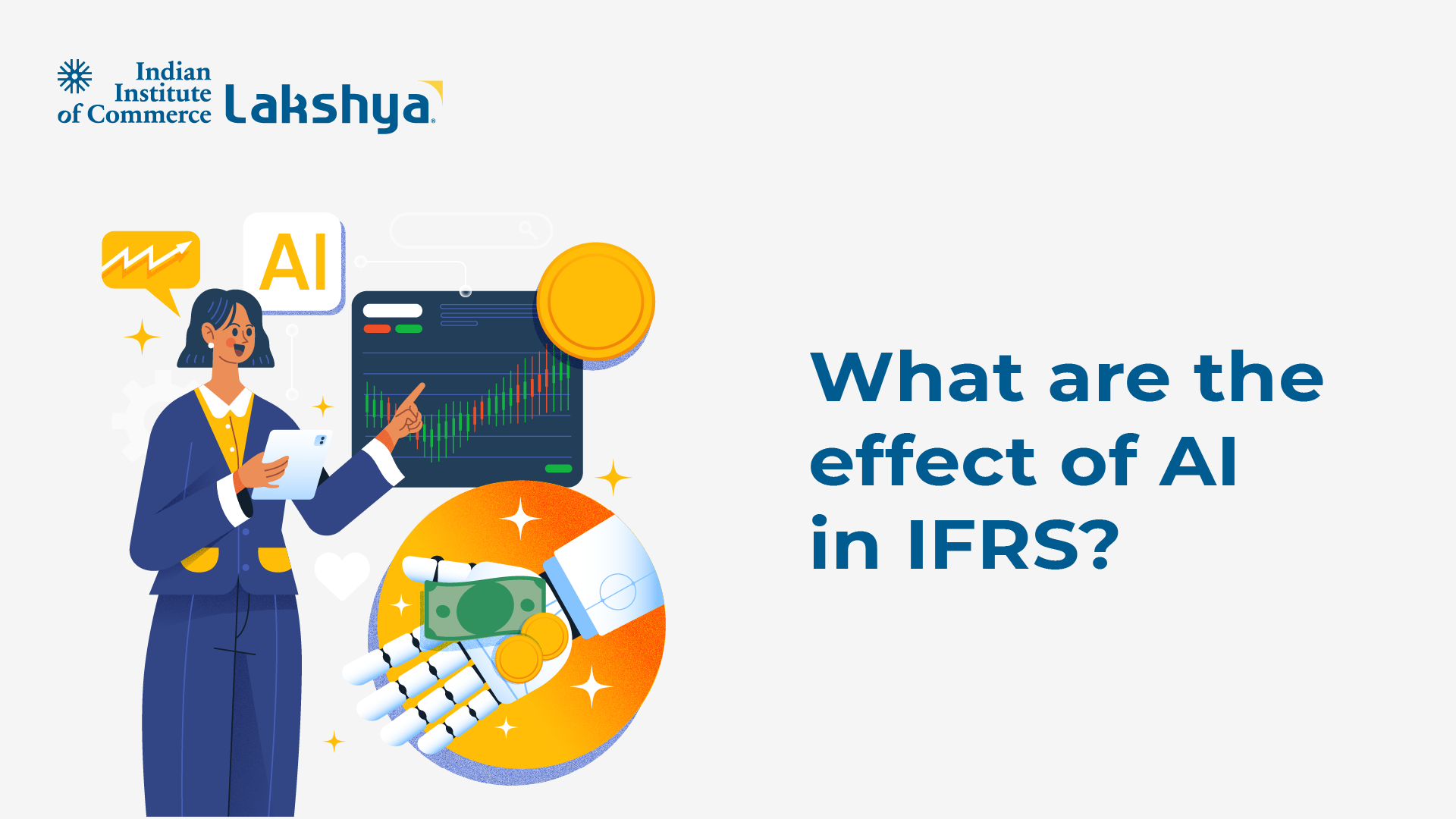
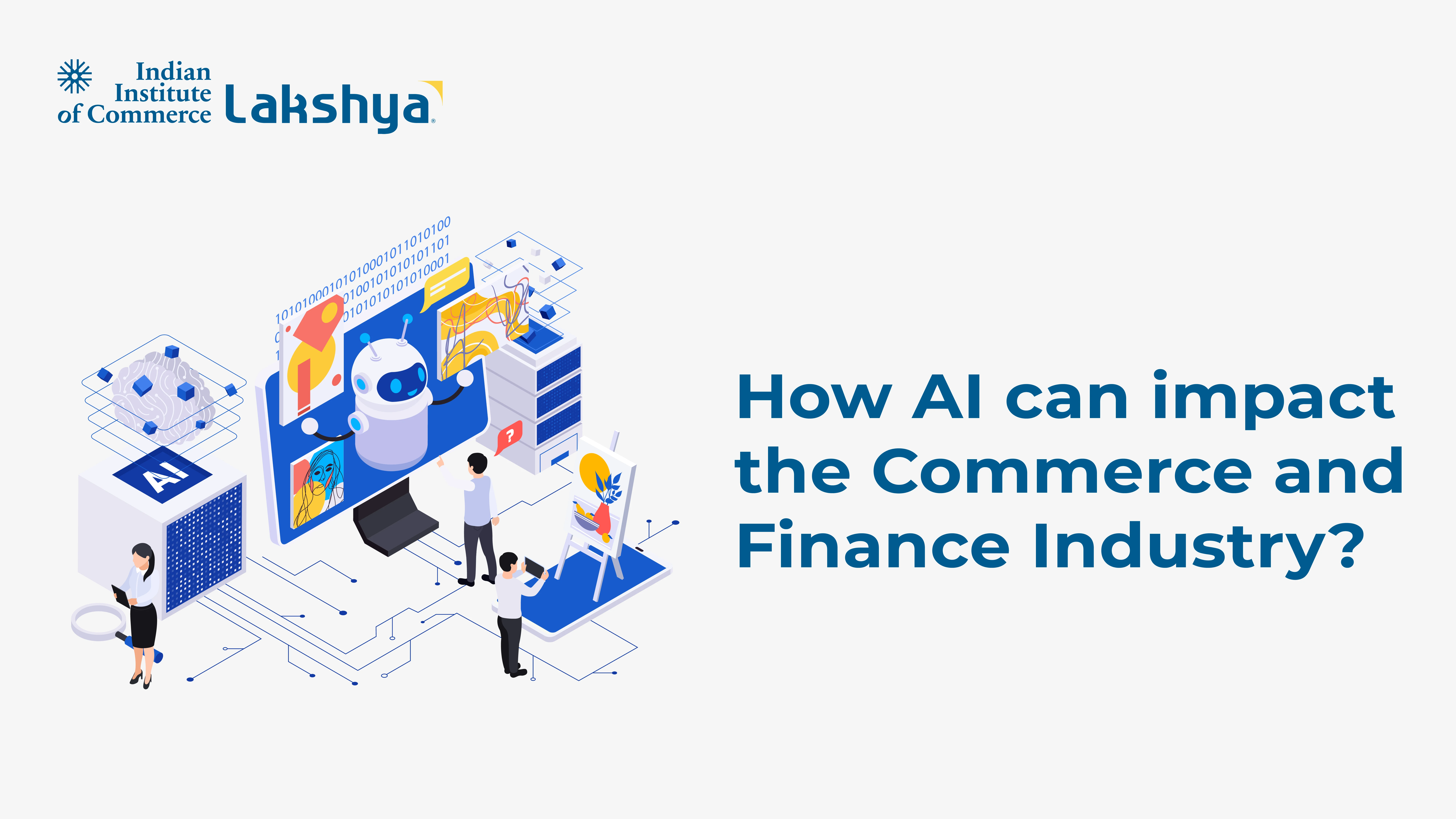
Artificial Intelligence (AI) is revolutionizing the business and finance markets. In this article, we will address the convergence of AI with International Financial Reporting Standards (IFRS), their functions, benefits, and drawbacks.
AI in Financial Reporting
The financial data processing and reporting are evolving with the implementation of IFRS. With the integration of Artificial Intelligence into IFRS, the process is automated, and the phenomenon becomes more streamlined. The process of live reporting, compliance verification, and others becomes more defined. Follow the complete IFRS Standards list for 2025!
Role of AI in Accounting and Finance
There are several roles of AI in accounting & finance. Learn about these roles so that the eligibility for IFRS certification can guide you effectively. It contributes to the overall development of the current systems, practices, and management of accounting and finance.
- Fraud Detection: AI helps flag suspicious transactions in real time and improve anomaly detection.
- Automation: Automating the accounting journal entries, ledger management, and reconciliation, which reduces intervention.
- Efficiency: Repeated work is decreased effectively, thus the strategic analysis by the financial team has a higher scope.
- Forecasting: Predictive models are used to assess financial risk and anticipate future cash flows
- Future Relevance: AI helps in aligning digital compliance preparedness in IFRS, along with the evolving scope in the future
Global Relevance of IFRS
The full form of IFRS is International Financial Reporting Standards, and it is created and administered by the International Accounting Standards Board (IASB). It is a globally recognized qualification across 140 countries.
Learn what IFRS is in this article. The IFRS promotes transparency as it produces understandable and comparable data to the investors. In specific economies, businesses in India, Australia, and the EU follow the IFRS core standards as it is required legislatively.
Benefits of AI in IFRS
There are some significant benefits of AI implementation of IFRS. AI has the capability of enhancing the quality of financial processes of businesses. The consistency with which the financial data is used to transform statistics is improved further by the AI in IFRS.
If you are wondering about how to become IFRS after 12th, you need to learn about how it will influence the finance market along with AI. Below are some of the benefits that show how AI for business is important:
- Several IFRS processes are automated with AI implementation, creating cost and time management.
- Businesses can effectively function more fluently with the integration of artificial intelligence, as the data-driven decisions are enhanced.
- AI in IFRS helps in improving accuracy in accounting by identifying the gaps in the processing that manual labour might have overlooked.
- For stakeholders, implementing AI with IFRS is a great step because it helps them use the available data, develop insights, and make effective decisions.
Disadvantages of AI in IFRS
Everything has both benefits and drawbacks; hence, IFRS, when integrated with AI, has some drawbacks. These pose challenges for candidates and working professionals when dealing with artificial intelligence and IFRS.
- When implementing AI in the financial and accounting industry, there is a lack of a clear set of rules, which leads to risks in monitoring, ethical practices, and a clarity gap.
- Not all financial decisions can be taken based on AI integration with the IFRS; instead, they just need professional judgement.
- There are also issues related to privacy and cybersecurity, as the financial data used with AI might be compromised if the connections are not encrypted.
- There is no AI-specific guidance in IFRS standards; hence, companies experience inconsistency and non-uniform reporting.
Integrating AI in IFRS Effectively
AI integrated with IFRS is quite effective as it helps in balancing human judgment of investors and stakeholders, training, and developing standards. Any human oversight is resolved with the artificial intelligence in IFRS. The collaboration of AI in business with IFRS brings balance in human-centric decision-making.
The IFRS Foundation and standards are established to maintain performance, engaging ICT specialists. The IFRS course & syllabus details will effectively guide you better with the potential of integrating AI. AI learning also helps in developing trust among the stakeholders in the IFRS.
Wrapping Up!
In conclusion, AI with IFRS has a high scope in the future as the combination is significant. Artificial intelligence offers precision and speed in IFRS processing, decreasing errors in accounting reports. New guidelines need to be set with the AI implementation of IFRS. AI brings credibility and efficiency to the IFRS practices.
Read More
- What is Diploma in IFRS Course?
- Career Options and Salary after Diploma in IFRS
- Benefits of a Diploma in IFRS
- IFRS Course Fees: 2025 Detailed Overview
- IFRS Salary Guide: India & International Benchmarks
Frequently Asked Questions on AI with IFRS
What are the 4 pillars of IFRS?
The 4 pillars of IFRS are governance, risk management, metrics & targets, and strategy.
What are the 7 functions of accounting?
The 7 functions that are considered fundamental in accounting are as follows:
- Classification
- Recording
- Summarization
- Reporting
- Analysis
- Compliance & control
- Burdeting & forecasting
What are the six capitals of IFRS?
The six capitals of IFRS are social & relationship, financial, intellectual, human, natural, and manufactured.
What are the two roles of IFRS?
The two roles of IFRS are transparency of financial information and enhancing comparability.
What are the weaknesses of IFRS?
The weaknesses of IFRS are that it might be susceptible to creative manipulation or interpretation. With increased adaptability, the IFRS process can become inconsistent in application.
Related Course















































_11zon.webp)





















.webp)
.webp)

.webp)
.webp)
.webp)
.webp)
.webp)
.webp)
.webp)





















































































































































































































































.webp)



































 salary.jpg)






.webp)

.webp)
.webp)