Diploma in IFRS ACCA Exam: Meaning, Features & Eligibility
 By IIC Lakshya
 22 Nov 2025
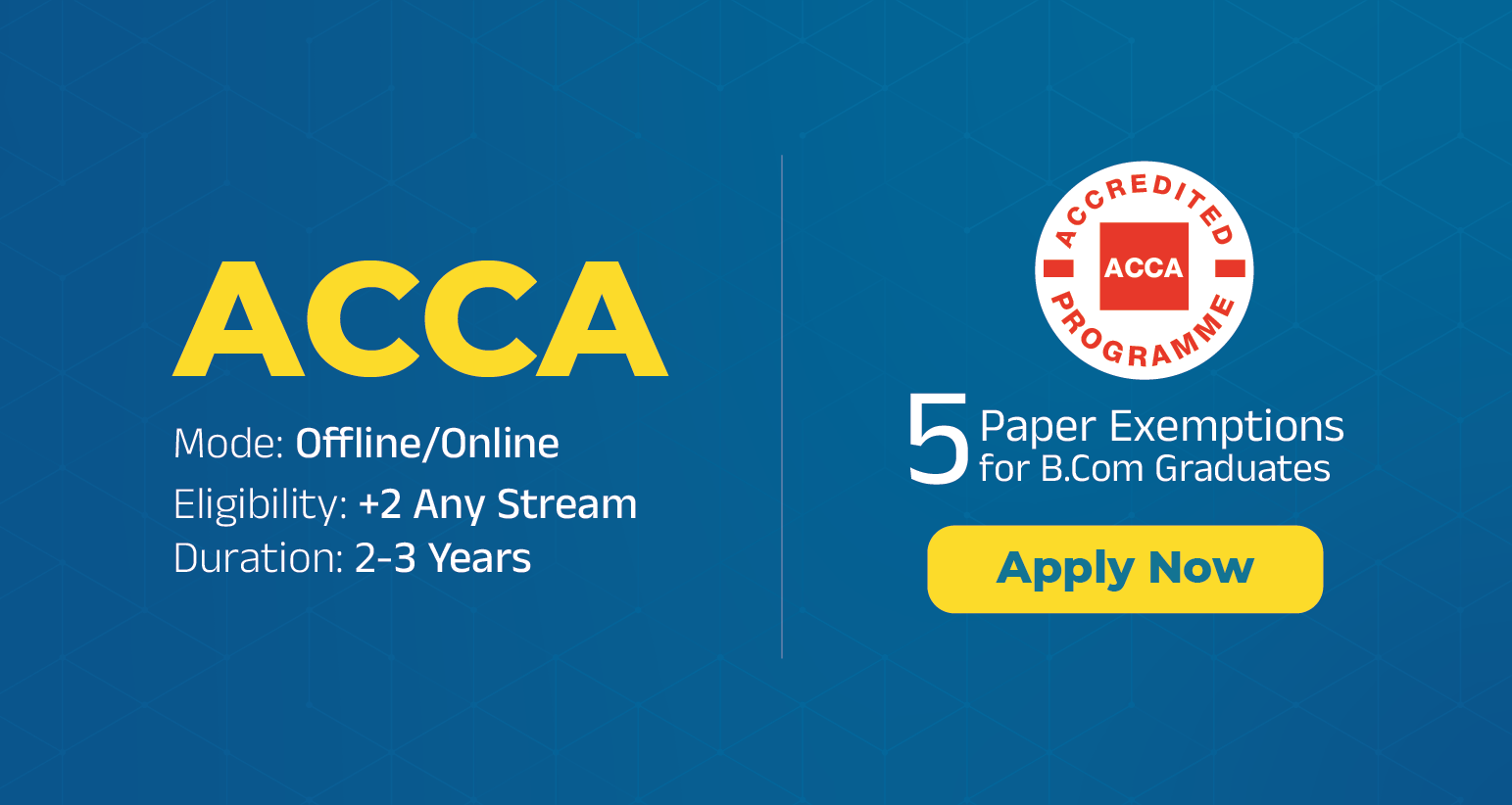
 ACCA
ACCA
If you are preparing for a high-income salary and great job opportunities in the accounting field, a Diploma in IFRS exam will help you. Furthermore, this course also creates opportunities for Chartered Accountants and auditors. Below are the various aspects of the exam, key features, the syllabus, exam structure and eligibility criteria.
What is the Diploma in IFRS ACCA Exam?
The Diploma in International Financial Reporting (DipIFR) is a certification designed to guide and educate accounting and finance students and professionals. The Association of Chartered Certified Accountants (ACCA) offers this certification, which is globally recognised. Professionals learn to prepare and interpret financial statements of companies.
Key Features of the Diploma in IFRS ACCA Exam
If you want to learn about the Diploma in IFRS ACCA exam features, you need to know what it covers. The IFRS certification course prepares aspiring professionals for the exam by covering principles and concepts of the IFRS standards List.
It educates aspiring professionals about how to apply the standards, decode financial information, and prepare financial statements and reports. professionals also learn how to interpret them so that they can evaluate their organisation’s status in the market.
Target Audience
The IFRS ACCA exam is designed for accountants, finance professionals and auditors. Individuals who want and have to work with IFRS, whether to prepare financial statements or perform accounting skills.
Other individuals have to perform IFRS audits, so the IFRS exam is quite beneficial for them. professionals can pursue the IFRS course after completing their 12th grade to gain maximum exposure in the finance and accounting field.
Exam Format
The exam is a 3-hour and 15-minute duration, and aspiring professionals only have to appear for it once. There are four compulsory questions which the professionals must attempt.
Passing Score
All aspiring professionals who appear for the IFRS ACCA exam must score at least 50% to pass the test. It will ensure that their certification will be granted, and they are ready for the prospects.
Frequency
The IFRS ACCA exams take place twice a year, once in June and another time in December. Aspiring professionals can appear for the exams based on their preparation and confidence in cracking the exam.
Syllabus of IFRS ACCA Exam
The major areas in the IFRS ACCA exam are considered a significant part of the syllabus. Aspiring professionals must establish their knowledge in the following areas to develop good knowledge and skills to develop their professional expertise.
- Individual IFRS/ IAS Standards
- International Framework for Financial Reporting
- Business Combinations & Consolidation
- Preparation of Financial Statements
- Financial Reporting of Groups
What is the Exam Structure and Preparation?
You have to understand the exam structure and then prepare for the IFRS exam. The IFRS course & syllabus details will ensure that you have a higher chance of the IFRS certification. There is one written exam with all questions being practical application and scenario-based approach. Aspiring professionals must learn all about the principles, their application, practical implications and examples.
There are specifically four questions that the aspiring professionals must answer to pass the exam. In the first question, the aspiring professionals must prepare consolidated financial statements for the questions that are given to them.
Aspiring professionals will solve the second question, where they need to evaluate accounting treatments. These treatments, which are suggested by colleagues in probable cases, should be evaluated to understand their compliance with IFRS.
The third question that needs to be solved consists of situations of companies where they need to decide which IFRS standards are appropriate. Their knowledge of the same helps them identify the exact IFRS regulations offering solutions to the various problems of a company.
There will be a question that will offer you a narrative of a company, its requirements and the way issues are resolved. A student needs to answer the way financial statements will help an organisation create transparency.
What is the Exam Eligibility?
Do you want to know the Diploma in IFRS eligibility criteria for the exam? One of the IFRS eligibility criteria is to have three years of relevant accounting work experience. This ensures that professionals will get access to the practical solutions to the issues that an organisation might face when it comes to financial reporting and transactions.
It is necessary for aspiring professionals to be qualified based on the national accounting standards. This qualifies them for future employment opportunities and a high salary.
Benefits of Appearing for the IFRS ACCA Exam
There are some significant benefits of appearing for the IFRS ACCA exam, such as global recognition, as the IFRS certification is internationally recognised and respected. Multinational organisations deem this certification very valuable, especially with the future financial roles and responsibilities. This is one of the benefits of a Diploma in IFRS.
With the qualification, aspiring professionals develop a deep knowledge of IFRS. The professionals help companies to make effective decisions and encourage investors as they prepare financial statements. They also interpret these statements of other organisations to meet the IFRS requirements and global reporting standards.
Wrapping Up!
In conclusion, aspiring professionals in the IFRS field must develop a detailed knowledge of the financial reporting and information systems of an organisation. Various IFRS standards have integral concepts and principles which must be followed effectively. Henceforth, professionals pass the IFRS exams and use their skills to serve organisations and countries.
Read More
- IAS vs IFRS Comparison: What Companies Need to Know
- IFRS Course Fees: 2025 Detailed Overview
- IFRS Salary Guide: India & International Benchmarks!
- Career Options and Salary after Diploma in IFRS
- What are the Advantages and Disadvantages of IFRS?
Frequently Asked Questions on the IFRS ACCA Exam
Is ACCA costly than CA?
Yes, the ACCA qualifications is expensive as compared to CA qualifications which makes it more affordable for students.
Can I finish ACCA in 2 years?
If aspirants plan and schedule their preparation plans, they can complete the ACCA exams in the time period of 2 years.
What is the scope of the diploma in IFRS?
The scope of the diploma in IFRS is quite good as it helps aspirants to find employment prospects in multinational and national companies. With the knowledge in financial reporting standards, aspirants can apply several job opportunities in accounting and finance industries.
Which is better, a certificate or a diploma?
If you want just additional training, a certification is better for IFRS. however, if you are planning to kickstart your job career or try to get advanced training, you will need the diploma in IFRS.
Can I get a job after a diploma in banking and finance?
Yes, you can easily get hired in finance, banking, accounting and other financial related job positions once you finish your diploma in banking and finance like IFRS.
Related Course













































_11zon.webp)




















.webp)
.webp)

.webp)
.webp)
.webp)
.webp)
.webp)
.webp)
.webp)



































































































































































.webp)

















 salary.jpg)


.webp)

.webp)
.webp)