FCCA vs ACCA: Key Differences, Eligibility & Benefits
 By IIC Lakshya
 19 Dec 2025
 ACCA
ACCA
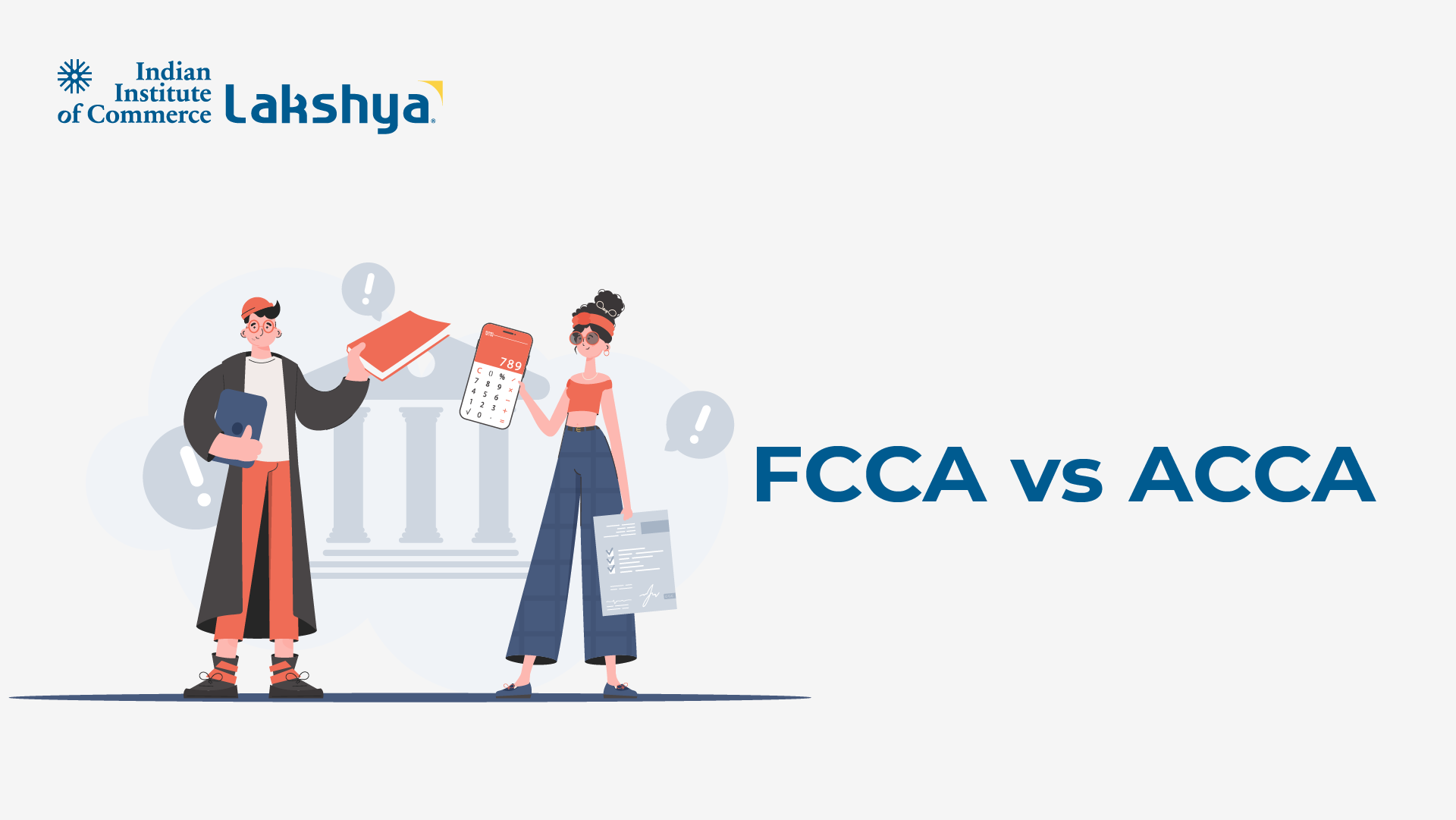
If you are comparing ACCA vs FCCA, you must learn that they are somewhat related to each other. However, the basic features are quite different from each other. Their contribution to the financial industry is different; it will still create global exposure for certified professionals. In this article, you can explore what ACCA and FCCA are, their key differences and their benefits.
What is ACCA?
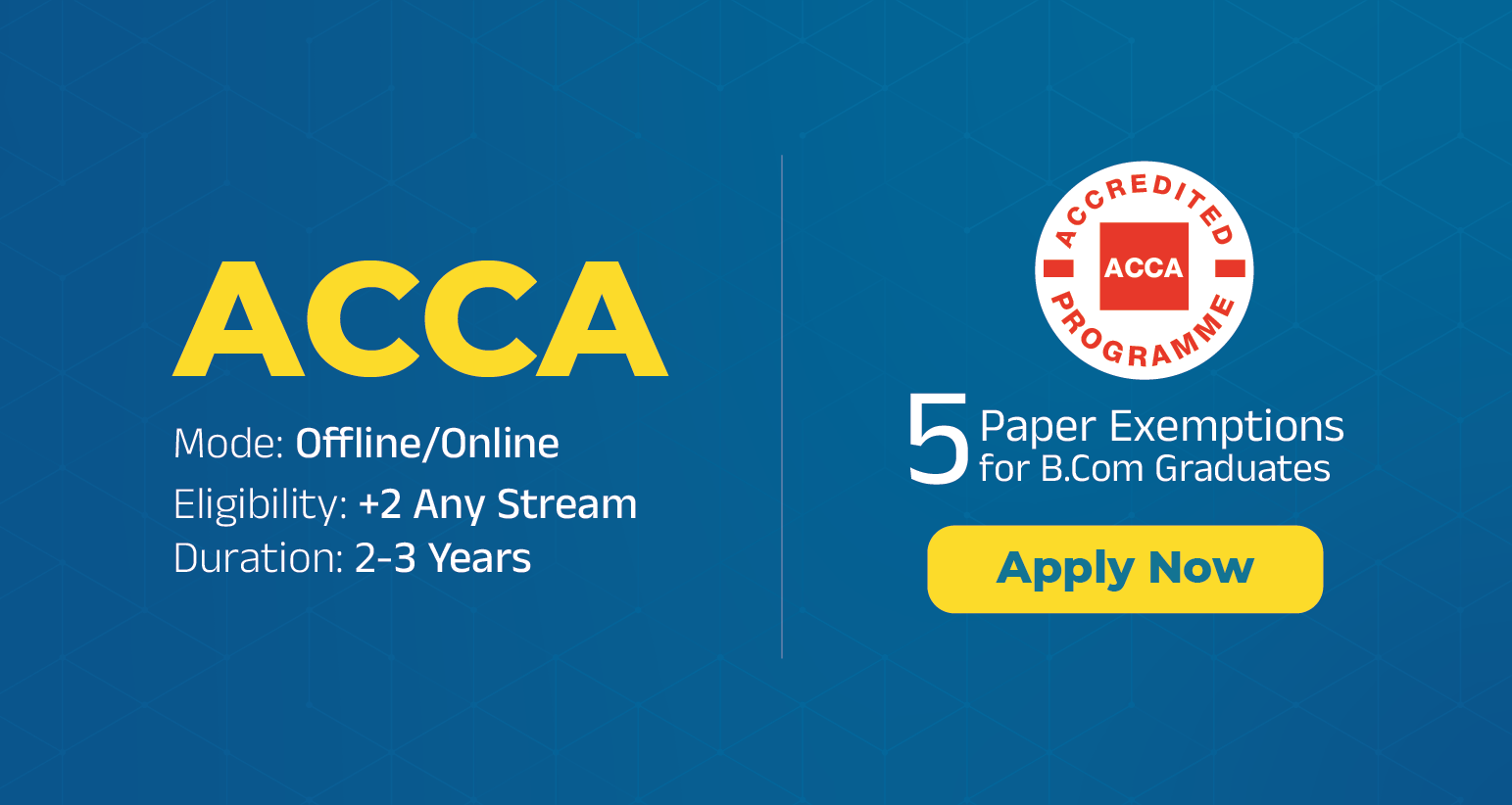
The full form of ACCA is the Association of Chartered Certified Accountants, which is recognised in more than 180 countries globally. It is a globally respected certification that aspiring students pursue in the accounting and finance fields. You can learn about ACCA course eligibility for students & professionals in 2026.
- The course opens several doors towards opportunities like corporate finance, consulting and auditing.
- Students get a lot of flexibility when pursuing the ACCA certification, which is suitable for pursuing courses along with attaining professional experience and insight.
What is FCCA?
Want to learn what the FCCA qualification is? The full form of FCCA is Fellow Chartered Certified Accountant, which is a designation that is focused on achieving prestige and global exposure. It also prepares professionals towards senior positions; however, there are certain eligibility requirements for the prestigious fellowship program.
- The 5 years of consistent membership in ACCA lead to the FCCA designation.
- It comes with a lot of professional experience, which adds to the overall market value of the professionals.
Key Features Differences: FCCA vs ACCA
FCCA is about establishing consistency, pursuing the ACCA, getting certification, and maintaining membership for 5 or more years. Below is a tabular form of key features that are different when comparing the FCCA and ACCA. Learn more about the FCCA course & syllabus details as we explore the benefits, the global exposure and commitment to the field.
|
Key Factors |
ACCA |
FCCA |
|
Eligibility Requirements |
Academic qualifications Entry-level certification in the finance and accounting industry |
Minimum 5 years of consistent ACCA membership Work experience after completing the ACCA course |
|
Cost |
Course and exam fees Membership costs |
Additional cost on the FCCA application Membership costs |
|
Focus |
Gain technical knowledge Passing exams |
Recognises work experience Leadership contributions |
|
Career Stage |
Entry to mid-career level professionals |
Experienced professionals Aiming for senior levels to contribute to the overall field |
|
Global Exposure |
Recognised and respected certification Globally recognised certification |
One step up from ACCA Add prestige to the global exposure and recognition already gained from ACCA |
Benefits of ACCA
ACCA certification is quite beneficial for aspiring financial and accounting students. The above key factors explain in detail how the ACCA qualification helps in your career growth. It offers global opportunities to aspirants as MNCs and global organisations offer significant exposure, a job position with higher income.
Furthermore, the ACCA syllabus covers diverse topics that lead to diverse career opportunities like consulting, corporate finance, taxation and auditing. It also offers flexibility to the students who are working part-time while pursuing the certifications.
Benefits of FCCA
FCCA designation is not limited to education, skills development or professional growth. It also integrates global recognition, prestigious growth and leadership roles. When a professional is committed to the ACCA certification and career path, they get the FCCA designation. It also plays an important role in advancing experienced professionals towards senior-level positions and exclusivity.
Wrapping Up!
As a Commerce student, getting ACCA certification will enhance your career to another level. When comparing the FCCA vs ACCA, this is how you can learn the basic differences because FCCA takes the ACCA certification to higher level that offers senior and leadership positions, higher income and prestige on the global levels. The FCCA designation is a senior-level position after you have completed certain eligibility requirements of work experience, membership in the ACCA institute, and benefits.
Read More
- Balancing Work and ACCA Preparations: Key Strategies for Working Professionals
- Exemption Calculator for ACCA: How To Calculate the ACCA Exemptions?
- How to Choose the Right ACCA Coaching Centre in Bangalore?
- How the CMA and ACCA Qualifications Help You in Your Career?
- Top Benefits of Getting an ACCA Certification
Frequently Asked Questions on ACCA vs FCCA
Is FCCA equivalent to a senior leadership credential?
FCCA can often be identified as a senior leadership credential because it conveys professionalism and advanced expertise. It reflects the experience and insight of the FCCA-designated individuals towards senior internship roles.
Who qualifies to be a Fellow (FCCA)?
All ACCA qualified individuals have to stay members of the Association or institute continuously for five years, and more are eligible to be a Fellow (FCCA). The ACCA-certified individuals must also be compliant with CPD requirements.
How long does it typically take to reach FCCA after ACCA?
Once you have completed the ACCA certification, the path to achieving FCCA status after ACCA may take approximately 8 to 10 years. The process includes qualifying for all the eligibility requirements of FCCA, which include gaining work experience, maintaining membership for 5 years or more, and others.
Is FCCA regarded as higher than ACCA?
The FCCA (Fellow Chartered Certified Accountant) is identified as a higher-level credential granted once you have acquired the ACCA membership, its qualifications, and experience of both practical and professional experience.
What benefits come with becoming an FCCA?
Several benefits come with the designation of FCCA, are credibility in career, more access into senior leadership roles, recognition, and global exposure.
Related Course























































_11zon.webp)























.webp)
.webp)

.webp)
.webp)
.webp)
.webp)
.webp)
.webp)
.webp)
































































































































































































































































































.webp)



































 salary.jpg)






.webp)

.webp)
.webp)